
Repair guide
Condensation Inside Double Glazing: Which Side Is It On?
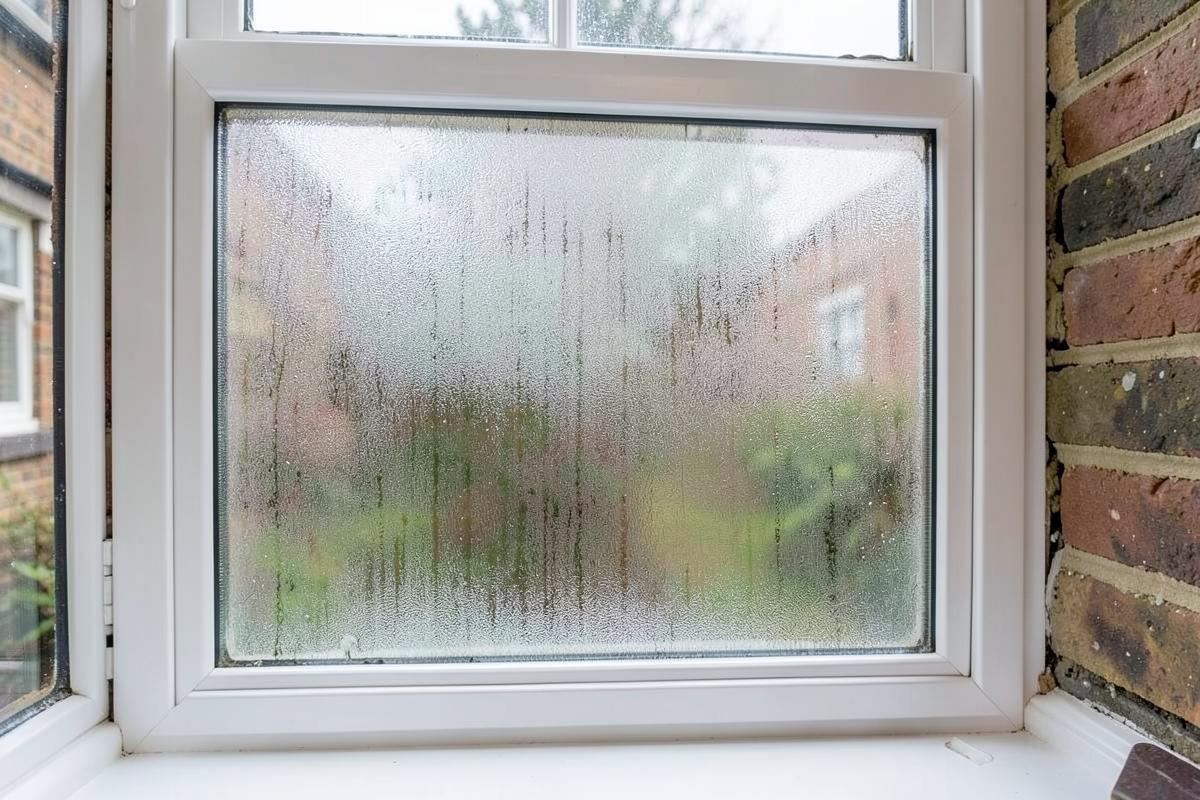
Condensation on windows worries people, partly because the same words describe three completely different situations. The important question is which surface the water is sitting on.
Work that out and you know straight away whether you need a repair, better ventilation or nothing at all.
Free in-person quotes. Photo estimates sometimes possible. 24 hour emergency call out.
Repair first
Replacement only when a repair is not possible
Fast response
Messages answered within 15 minutes in working hours
Free quotations
In person, with photo estimates sometimes possible
Guaranteed work
over 10 years of repair experience
Between the panes: the sealed unit has failed
If you cannot wipe the moisture away from either side, it is inside the cavity. The perimeter seal has broken down, air has got in and the drying agent is saturated. This is a repair, and it means a new sealed unit rather than a new window.
On the room side: warm damp air meeting cold glass
Water on the inside face that wipes off is normal condensation, not a fault in the glass. It appears where humid air from cooking, washing, drying clothes indoors and breathing meets the coldest surface in the room.
Improving ventilation is the answer. Use trickle vents and extractor fans, dry washing outdoors or in a vented space, keep lids on pans and keep background heating steady rather than in short bursts. If the frame is draught free but the glass is still very cold, low emissivity glass in a replacement unit will help.
- Open trickle vents rather than sealing every gap
- Run the extractor fan during and after showers and cooking
- Avoid drying clothes on radiators in unventilated rooms
- Keep furniture slightly away from cold external walls
On the outside face: usually a good sign
Dew on the outer pane on a clear morning generally means the glass is doing its job. Very little heat is escaping to warm that outer surface, so it cools to dew point overnight. It clears as the day warms up and needs nothing done to it.
When condensation comes with damp on the cill
Persistent water pooling on internal cills, black mould in the reveal or damp plaster can also point to failed gaskets, poorly seated beading or blocked frame drainage letting rain in. That is repairable, and we check drainage and seals as part of any inspection.
Related repairs
Services covered in this guide
Questions
Frequently asked
How do I tell if condensation is inside the sealed unit?
Wipe both sides of the glass. If the moisture stays, it is inside the cavity and the sealed unit has failed.
Does condensation on the inside of the room mean my windows are faulty?
Not usually. It means humid air is meeting cold glass, so ventilation, heating patterns and moisture sources matter more than the window itself.
Should I be worried about condensation on the outside pane?
No. It normally means very little heat is escaping through the glass, and it clears as the day warms up.
Can new glass reduce condensation in a cold room?
Low emissivity glass keeps the inner pane warmer, which reduces how often condensation forms, although ventilation still matters.
Need it sorted today?
Tell us what the window or door is doing and we will arrange a free in-person quotation. Clear photographs can sometimes help us estimate sooner.