
Repair guide
How to Stop Condensation on Windows Inside Your Home
By the Newcastle Window and Door Repairs team
Last updated:
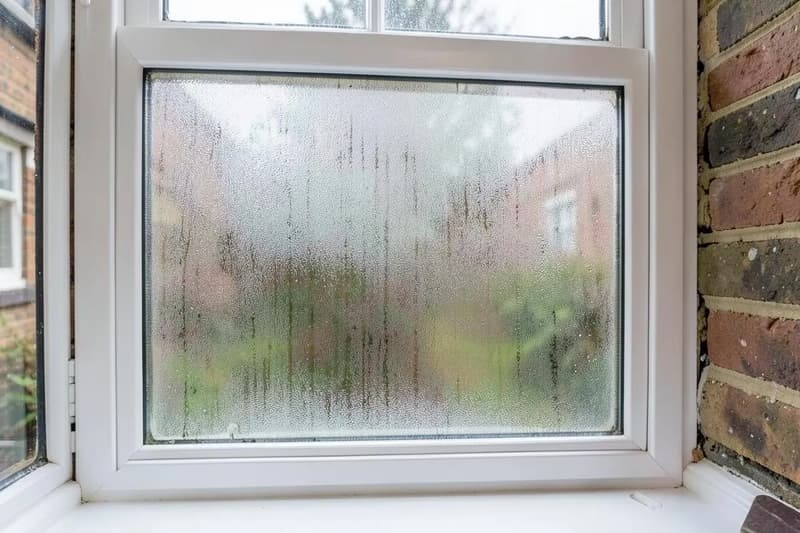
Water running down the inside of the glass on a cold morning is one of the most common window complaints in North East homes. It soaks the sills, stains the frames and, left long enough, brings black mould into the corners.
This guide is about condensation on the room side of the glass, the side you can wipe. It is a moisture and ventilation problem, not a fault with the window. If the moisture is trapped between the two panes instead, that is a failed unit, covered in our guide to [condensation inside double glazing](/guides/condensation-inside-double-glazing).
Repair first
15 minute replies
Working hours
Free in-person quotes
Fully insured
Guaranteed workmanship
Need it sorted? Book a trickle vent / seal check
If vents are broken or seals have failed, we can check and replace them.
Why windows get wet inside
Warm air holds more water vapour than cold air. Every home produces a lot of it: cooking, showers, drying clothes indoors, kettles and even breathing overnight. When that warm, damp air touches a cold surface, it cools and drops its moisture as water. Glass is usually the coldest surface in the room, so that is where it shows first.
Condensation is worst in bedrooms in the morning, kitchens and bathrooms, and rooms with drying laundry. It is often worse after new windows are fitted, because the house becomes more airtight and moisture has fewer ways out.
Ventilate the moisture away
The most effective fix is to let damp air out before it settles on the glass. Use extractor fans while cooking and showering, and leave them running for a while afterwards. Keep the kitchen and bathroom doors closed so the steam does not spread to colder rooms.
Open a window a little for ten or fifteen minutes in the morning, especially in bedrooms. A short burst of fresh air clears damp air quickly without chilling the house for long.
Use your trickle vents
Many modern windows have trickle vents in the top of the frame: small slots with a sliding cover. Left open, they let a steady, gentle flow of air into the room, which helps carry moisture away. They are designed to stay open most of the time.
If your vents are stuck, snapped or missing their covers, they can be replaced. A vent check is often part of a window seal replacement visit.
Window seal replacement
- Rubber that has gone hard, cracked or shrunk back from the corners
- A draught you can feel with the window or door fully shut
- Whistling or rattling in strong wind
Keep rooms evenly warm
Cold rooms collect condensation fastest. Keeping the heating on low and steady through the day usually works better than short bursts of high heat. Try not to leave spare rooms unheated with the doors shut, as they become cold traps for damp air from the rest of the house.
Curtains and blinds pulled tight to the glass trap cold air against the window overnight. Leaving a gap at the top and bottom lets warm room air reach the glass.
Reduce the moisture you make
- Dry washing outside or in a vented dryer where possible
- Put lids on pans while cooking
- Wipe the glass and sills each morning with a cloth or squeegee
- Move furniture slightly away from cold outside walls
- Consider a dehumidifier in rooms that stay damp
When the window is part of the problem
Ordinary condensation is not a window fault, but some window problems make it worse. Worn seals let cold draughts chill the frame edges. A sash that has dropped may leave a cold gap. Old single glazing or failed units have a colder inner surface. In those cases repairing the window helps alongside better ventilation.
If the haze is between the panes and cannot be wiped, no amount of ventilation will clear it. That unit has failed and needs replacing; see misted double glazing.
Condensation on the outside
Some people notice condensation on the outside of the glass on cool, clear mornings. That is normal with energy efficient glazing and shows the window is keeping heat inside. It clears as the day warms up.
Repairs for how to stop condensation on windows
Local help with how to stop condensation on windows
Want a professional to handle it?
Questions
Frequently asked
Should I leave my trickle vents open in winter?
Yes. They are designed to stay open and provide gentle background ventilation. Closing them in winter is one of the main reasons condensation gets worse.
Will a dehumidifier stop window condensation?
It can reduce it a lot in a damp room, but it works best alongside ventilation and steady heating rather than instead of them.
Why is condensation worse in my bedroom?
People release moisture while they sleep, the door is often shut and the room is usually cooler. Opening a window briefly in the morning and keeping vents open helps.
Is condensation on the inside of windows a sign they are faulty?
Not usually. It is caused by moisture in the room meeting cold glass. Only moisture between the panes points to a failed unit.
Ask about how to stop condensation on windows
Photo estimates sometimes possible.
Related services
Covering Newcastle and the North East.